What Face Shapes Benefit Most From a Low Taper Fade
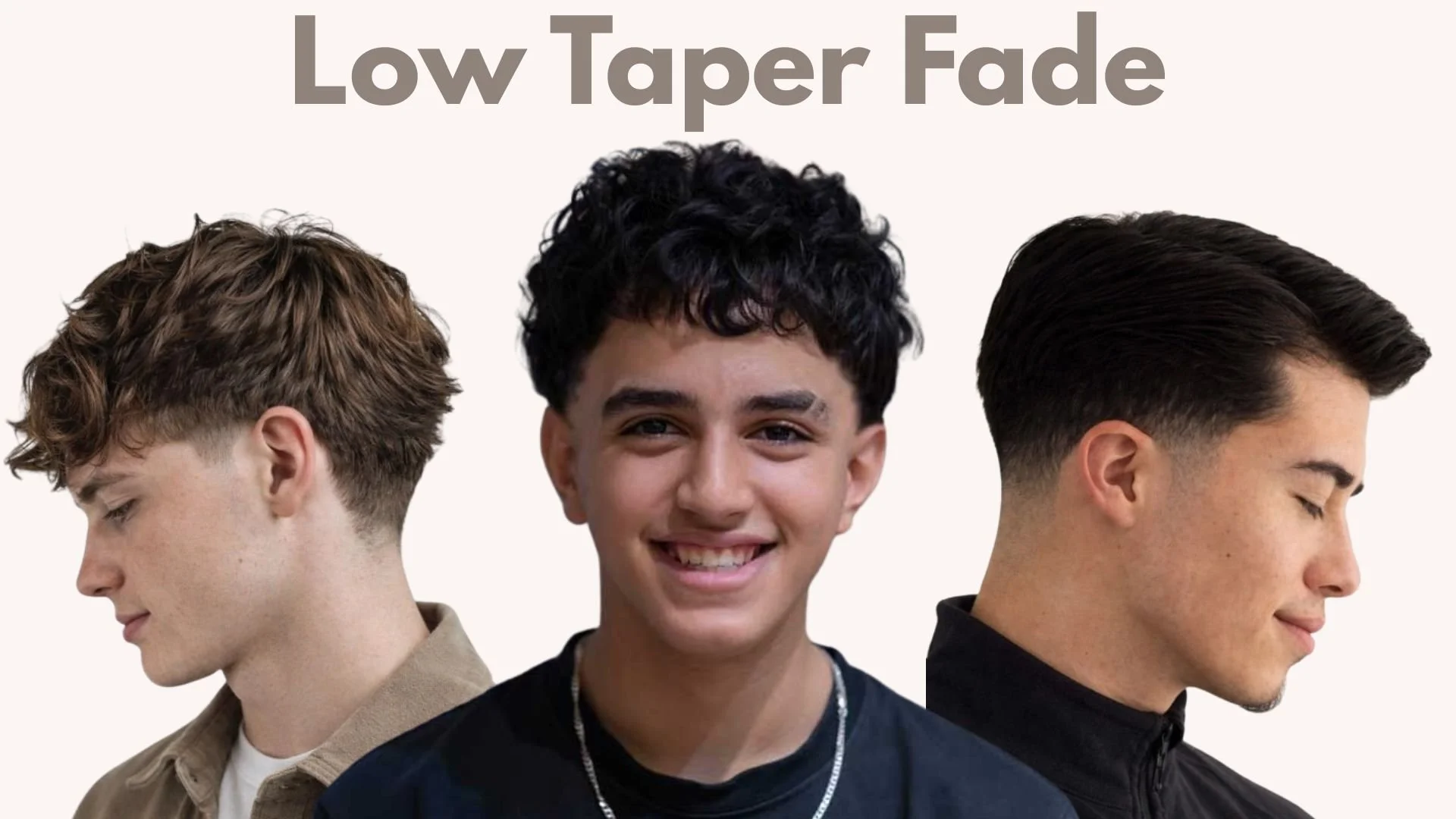
If you have been paying attention to men’s hair trends lately, you have probably noticed one thing. Fade haircuts are everywhere. As we head into 2025, the low taper fade continues to stand out as one of the safest and smartest choices you can make. It looks clean without feeling stiff, sharp without being loud, and flexible enough to fit almost any lifestyle.
You see it on red carpets, in offices, and in everyday life. There is a reason for that.
Brad Pitt has worn variations of clean, faded short haircuts for years, both in movies and real life. Grooming editors at GQ often point out how his relaxed fade styles helped shape modern men’s grooming.
David Beckham is another major influence. Over the years, he has made tapered and low fade styles feel polished, wearable, and timeless. Fashion publications like FashionBeans regularly credit him for setting long lasting hair trends.
What most people do not realize is that the real success of a low taper fade has very little to do with trends. It has everything to do with face shape. When the fade placement and the length on top work with your natural features, the haircut just feels right. That is exactly how experienced barbers approach every cut at Naamza, focusing on your face shape instead of copying a one size fits all style.
What Is a Low Fade Haircut?
Low fade haircuts have been around for decades. They became popular back in the 1940s and 1950s when clean grooming was closely linked to professionalism and discipline. While the style has evolved, the core idea has stayed the same.
A low fade starts close to your natural hairline and slowly tapers around the ears and neckline. Unlike a high fade, it keeps more hair on the sides, which gives the cut a softer and more natural look. That is one of the biggest reasons men choose it. It sharpens your appearance without looking extreme and it grows out more evenly, so you are not rushing back to the barber every two weeks.
How Low Taper Fades Work With Different Face Shapes
Not every fade looks the same on every face. The height of the taper and how much length you leave on top can completely change how the haircut looks on you. That is why face shape matters more than most people think.
Square Face Shape and a Short Low Fade
If you have a square face, you likely have a strong jawline and broad angles. A short low fade works really well here because it highlights those features without making them look too sharp.
Why it works
It brings attention to a strong jawline
It adds structure without harsh contrast
It keeps the haircut clean and modern
Adding a bit of texture on top softens the look just enough so it feels confident without looking stiff.
Real example: Henry Cavill
Henry Cavill is often used as an example of a square face shape. His clean, structured haircuts with subtle fades show how this style can enhance strong features while still looking natural.
Oval Face Shape and a Low Taper Fade
Oval faces are naturally balanced, which makes them ideal for a low taper fade. This version starts low near the sideburns and blends smoothly toward the neckline.
Why it works
It keeps natural symmetry intact
It adds definition without removing too much hair
It helps create volume, especially for finer hair
Leaving the top slightly longer while keeping the sides neat helps maintain proportion rather than changing it.
Real example: Ryan Gosling
Ryan Gosling is frequently mentioned in style guides as having an oval face shape. His haircuts show how a low taper fade can add shape and movement without overpowering his features.
Round Face Shape and a Low or Mid Fade With Length on Top
Round faces benefit from haircuts that create the illusion of length. A low fade or mid fade paired with a longer top does exactly that.
Why it works
It adds height and visual length
It keeps the sides tidy without making the face look narrow
It allows more styling options on top
The longer top is key here. It helps reshape the overall look and prevents the haircut from feeling flat.
Heart Face Shape and a Bald Fade
Heart shaped faces are usually wider at the forehead and cheekbones, with a narrower chin. A bald fade helps balance those proportions.
Why it works
It reduces bulk around the sides
It draws the eye upward
It creates better balance between the top and bottom of the face
The clean contrast of a bald fade works well without overpowering the face.
Easy Maintenance and Styling Tips
Once you find the right fade, a little maintenance goes a long way.
Visit your barber about every three weeks to keep the fade sharp
Wash regularly and use a nourishing treatment when needed
Choose lightweight styling products to avoid buildup
Limit heat styling to protect hair health
Trust a skilled barber who understands face shape and growth patterns
Even a simple fade looks noticeably better when it is done with care.
Why the Low Taper Fade Still Works So Well
The low taper fade keeps coming back because it adapts. It works with different face shapes, hair textures, and lifestyles. It looks just as good in a professional setting as it does in a casual one. When done properly, it feels effortless, not forced.
Final Thoughts
The low taper fade is not about chasing trends. It is about choosing a haircut that works with your natural features. Square, oval, round, and heart shaped faces all benefit from the right version of this fade. With the right barber and simple upkeep, it stays clean, modern, and easy to wear.
FAQs
1. How often should I maintain a low taper fade?
Ans: Most men find that a trim every three weeks keeps the fade looking fresh.
2. Is a low taper fade good for thin hair?
Ans:Yes. Paired with a slightly longer top, it can make hair look fuller and more structured.
3.Does a low taper fade grow out well?
Ans: Yes. Low tapers grow out more evenly than sharper fades, which makes them easier to manage between appointments.
