The Psychology of a Good Haircut: The Right Style Boosts Confidence
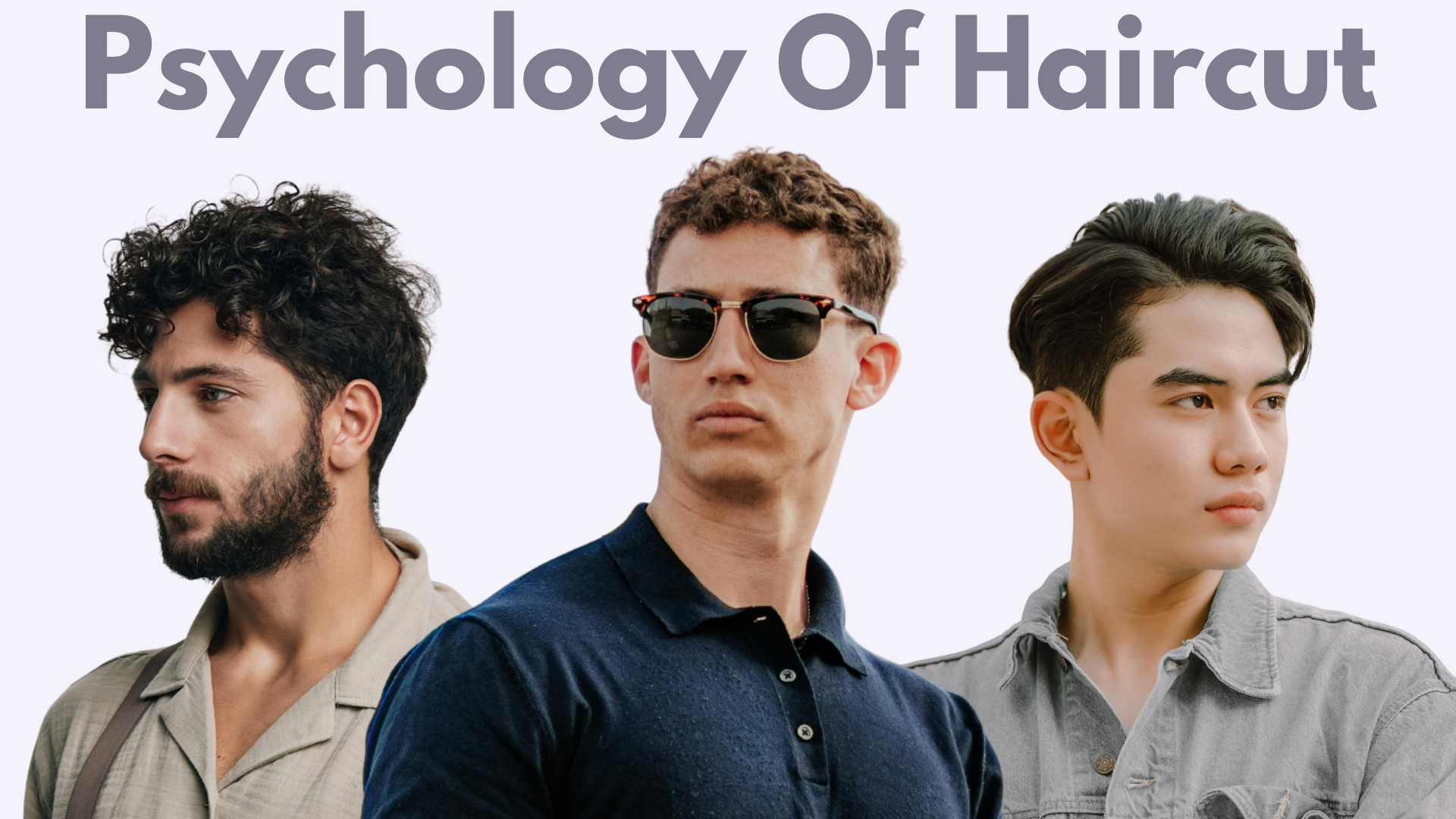
We often think of haircuts as just a grooming routine. But research shows they’re much more than that. A good haircut can boost confidence, change how we see ourselves, and even shape how others perceive us. Studies link appearance to self-esteem, mood, and social interactions. Simply put, the right hairstyle can make a real psychological impact.
Imagine walking out of a barbershop feeling taller, more confident, and ready to take on the world. That feeling isn’t just in your head. Haircuts act as a small, controllable change that affects identity, mood, and social behavior.
In this blog, we’ll explore the psychology behind haircuts. We’ll look at cognitive science, neuroscience, and social perception. We’ll also give practical tips for choosing Asian hairstyles that suit your personality, lifestyle, and goals. By the end, you’ll see that a haircut is more than aesthetics; it’s a tool for psychological empowerment.
What Studies Say?
A recent review paper titled “Haircut as a Catalyst for Identity Transformation and Social Perception: A Multidimensional Review” argues that changing hairstyle can reshape self‑identity and social perception, especially in adolescence or major life transitions.
One more study showed that Psychological and sociological aspects of image formation through barber style (2025) links barber‑style grooming (haircuts) to self‑esteem, social perception, and even professional image.
Carl Jung, a foundational figure in analytical psychology, stressed the importance of individuation, a process of self-discovery and realization. He believed that grooming rituals and the choice of grooming products are not merely superficial but are outward expressions of this profound inner journey.
Choosing the Right Haircut
Picking the right haircut is both science and self-expression. Your face shape, hair texture, and lifestyle all matter. The right Haircut professional offers style that can feel natural and boost confidence instantly.
Small experiments help. Try subtle changes before committing to bold styles. This lets you see what works psychologically and socially.
Here are some popular Asian hairstyles and their impact:
Korean Perm: Adds volume and texture, creating a standout “main character” look often seen in K-dramas.
Mullet Cut: A Shorter front and sides with longer back. A bold retro style that balances edgy and casual vibes.
Textured Fringe with Low Taper Fade: Stylish yet professional. Softens facial features while keeping sides neat.
Korean Two-Block Cut: Short sides and longer top. Adds verticality and works perfectly with thick, straight hair.
Buzz Cut: Clean, masculine, and very low-maintenance. Ideal for angular faces and busy lifestyles.
Slick Back: Formal and polished. Requires gel or hair oil for a shiny, wet-look finish.
French Crop: Short with fringe and high fade. Neat, professional, and trendy.
Textured Quiff: Classic style with added texture. Works for both casual and formal settings.
Two-Block Undercut with Side Part: Short sides, longer top, parted to the side. Balances formal and trendy looks.
Layered Medium-Length Hair: Soft layers frame the face and add movement. Works well with straight or slightly wavy hair.
Curtain Bangs: Long, center-parted bangs that frame the eyes. Adds softness and a youthful vibe.
Textured Crop with Fade: Choppy layers on top with subtle faded sides. Adds volume and dimension for straight or slightly wavy hair.
Side-Swept Undercut: Longer top swept to the side with short sides. Clean, versatile, and suitable for work or casual looks.
Messy Spiky Hair: Short to medium length with natural spikes. Adds energy, texture, and a playful personality.
Asian Bowl Cut with Textured Finish: Modernized bowl cut with choppy layers. Combines retro charm with contemporary style, ideal for softening round faces.
At Naamza we offer haircuts from perms to Mullet Cut and more , with the aim to not only elevate your style but also to improve confidence, social perception, and daily mood. It’s a small change with a big impact.
Haircuts and Self-Perception
Haircuts don’t just change how we look, they change how we feel. Our self-schema, or how we see ourselves, can shift instantly with a new hairstyle.
There’s a concept called enclothed cognition. It means the way we present ourselves affects our mindset. A polished haircut can make you feel more confident, alert, and motivated. A messy or outdated style might make you feel less capable without you realizing it.
Do you know? Harvard Business Review research shows that personal appearance significantly impacts professional success, with well-groomed individuals receiving higher performance ratings and promotion opportunities.
Many researches show that haircuts can boost self-esteem. Even small tweaks, like adding texture or trimming edges, affect mood. Bold styles, like a textured fringe or two-block cut, make you feel stylish and daring. Classic trims, like a buzz cut, communicate professionalism and reliability. These subtle changes influence how you approach your day, interact with others, and see your own abilities.
Hair as a Social Signal
Hair isn’t just about self-perception, it’s a social signal. Hairstyles communicate age, status, creativity, confidence, and competence.
First impressions matter. Studies show well-groomed hair increases perceived trustworthiness and capability. The Halo effect explains why attractive hair makes people assume other positive qualities about you.
Hairstyle meanings vary across cultures and settings. A slick-back signals authority in a corporate office. A textured quiff may show creativity in casual spaces. Fringe length or side fades can affect how approachable or confident you appear.
Choosing a hairstyle that aligns with your social environment can make interactions smoother. It’s not about changing yourself, it’s about communicating subtly through style.
Neuroscience Behind Haircuts
Haircuts also affect the brain. When you see a positive change in appearance, your brain releases dopamine, the “feel-good” chemical. This creates a sense of reward and satisfaction.
Grooming rituals reduce stress. Taking time to style your hair, apply products, or care for your scalp gives a sense of control. This lowers cortisol and improves mental well-being.
Mirror neurons also play a role. Seeing yourself with a stylish haircut can change your behavior. You may stand taller, smile more, and interact confidently. In short, looking good makes you feel good, and act good.
Hairstyle and Identity
Your hairstyle is a strong tool for self-expression. It reflects personality, mood, and values without words. Research links hairstyles to traits like openness, conscientiousness, and extraversion.
A Korean perm or textured fringe signals creativity and individuality. A buzz cut communicates simplicity and decisiveness. A slick back or French crop conveys professionalism and discipline.
Choosing the right style balances personal identity with social expectations. A haircut that feels authentic and suits daily life strengthens self-esteem and social presence.
Haircuts in Social and Professional Contexts
In social and professional life, haircuts are strategic tools. Psychologists call this impression management. The right hairstyle projects authority, approachability, or creativity, depending on the context.
Executives often go for classic, low-maintenance styles to show reliability. Creative professionals may prefer textured or layered cuts to highlight individuality. Even small details, like side fades or fringe length, affect perception.
Understanding these cues helps you select a hairstyle that supports your goals. It’s not about changing who you are, it’s about using appearance to reinforce personality and intention.
Maintenance and Long-Term Benefits
Well, a haircut isn’t just a one-time investment it’s a habit with lasting benefits. Sounds confusing, we bet it isn’t!
Regular trims reinforce confidence and sustain the psychological boost of a fresh look.
Simple habits make a big difference. Stick to a trimming schedule, use the right products, and follow styling routines. Over time, these habits support mental well-being, professional presence, and personal identity.
Consistent care also reduces stress. Knowing your hair looks good gives a sense of control, making you feel more organized and self-assured.
Why Choose Naamza?
Haircuts do more than change how you look, don’t they? They shift how you feel, how you carry yourself, and even how people respond to you. When a style truly fits you, it boosts your mood, strengthens your identity, and gives you that extra confidence you can feel the moment you walk out the door.
And at Naamza, that’s exactly why haircuts are not just about appearance. They’re about psychological empowerment. A small change in your hairstyle can create a big change in your day, your interactions, and even your mindset.
At Naamza, we tailor every cut so you don’t just look good—you feel great, connected to yourself, and ready to move through life with confidence.
FAQs
1. Can a haircut actually improve my mood?
Ans: Yes. A fresh haircut triggers dopamine release in the brain, giving a sense of reward. It also reinforces self-care routines, reduces stress, and boosts confidence throughout the day.
2. How often should I get a haircut for psychological benefits?
Ans: Regular trims every 4–8 weeks help maintain a polished look. Consistency supports self-esteem, reinforces positive self-image, and ensures your hairstyle continues to reflect your personality and social goals.
3. Are certain hairstyles better for professional success?
Ans: Yes. Styles that are neat, well-maintained, and suit your face shape signal reliability, competence, and professionalism. Subtle textures or clean fades can balance authority with approachability.
